

If you own or are considering purchasing a condex in New Hampshire, understanding how to insure it properly is essential. While a condex may look like a duplex, it is legally structured as a condominium association, creating unique insurance and ownership considerations that buyers, lenders, and even insurance professionals often misunderstand.
Getting the insurance setup wrong may not seem like a major issue until there's a claim. At that point, coverage gaps and ownership questions can become expensive problems. Because HPM Insurance works with many condex owners throughout New Hampshire, we've put together this guide to help you understand how condex insurance works.
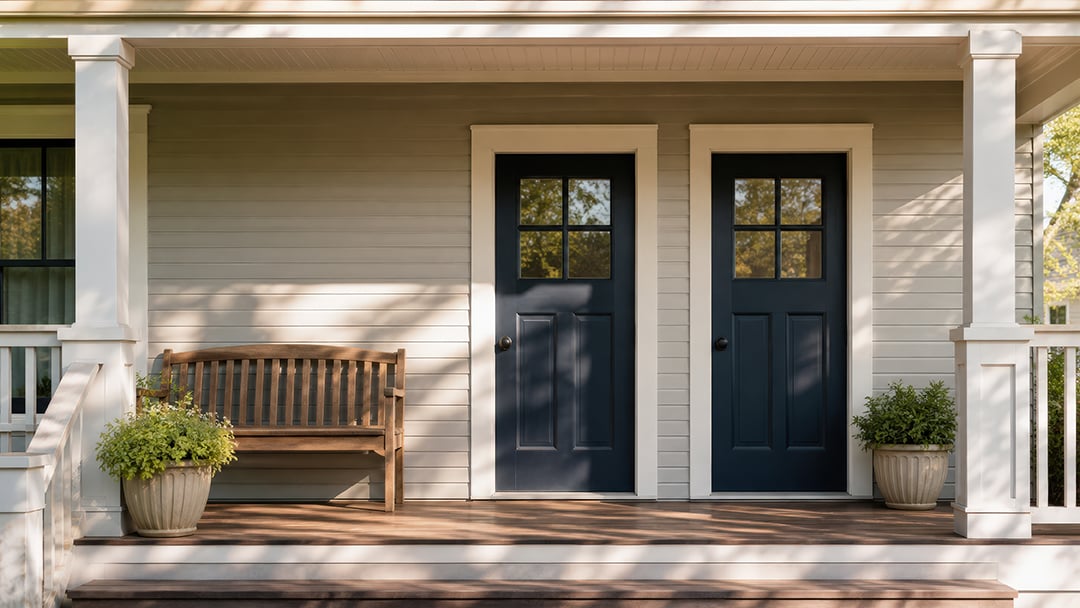
What is a Condex?
Why the Association Must Insure the Building
This means:
- The building and premises should be insured under a policy written in the name of the condominium association.
- The policy should not be written in the names of the individual unit owners.
- Claims payments and insurance refunds related to the building will be made payable to the association, not to individual owners.
Because the association owns the insurable interest in the building, maintaining an active association policy is essential, typically referred to as a master policy.
Why Does Ownership Matter in Insurance?
What Are Unit Owners Responsible For?
The association's bylaws define where the association's responsibilities end and where the unit owner's responsibilities begin.
Generally, unit owners should carry their own HO-6 condominium insurance policy to help protect:
- Any portion of the building that they are responsible for under the bylaws
- Personal belongings and contents
- Personal liability exposures
- Additional living expenses after a covered loss, if applicable
Since bylaws can vary depending on the condex, it is important to understand who is responsible for what within the dwelling.
What if a Condex Doesn't Have Recorded Governing Documents?
Some older New Hampshire condexes may not have readily available Articles of Condominium or bylaws. If you're purchasing or refinancing a condex, lenders, insurers, and financial institutions may require proof of the condominium association's existence and governing documents.
Start by checking the county Registry of Deeds to determine whether a condominium declaration and bylaws have been recorded. If you can't locate any documents, consult a New Hampshire real estate attorney to understand your options and determine what documents you may need to prepare or record.
Registration Challenges for New Hampshire Condex Associations
Condo associations with fewer than 10 units were not always required to register with the State of New Hampshire. Recently, however, many banks have begun requiring proof of registration before opening an association bank account.
As a result, many condex associations are finding themselves needing to become formally registered for the first time.
To begin the registration process, owners can visit the New Hampshire Department of Revenue Administration's business registration page:
Register a New Business in New Hampshire
If you are unfamiliar with the process, consider calling the number listed on the state's website and explaining that you are a two-unit condex association seeking registration to obtain a bank account. Be sure to clarify that your association is a nonprofit condex association.
Nonprofit Registration Considerations
According to guidance provided by the New Hampshire Secretary of State's Corporate Division, condex associations registering as nonprofits should be aware of several important requirements:
1. Five Incorporators Are Required
A nonprofit must have five incorporators who can attest that the entity is a condominium association rather than a for-profit business.
These individuals can be:
- Family members
- Friends
- Bank representatives
- Real estate professionals
- Attorneys
- Insurance professionals
2. Officers and Directors Are Required
The nonprofit must have:
- At least one officer
- At least one director
If there is only one officer, that person must be the president of the association.
The officer and director cannot be family members. In many condex arrangements, the two unit owners serve in these roles.
3. Authorized Bank Signers Must Hold Official Roles
Many banks require anyone authorized to access or manage the association's bank account to be an officer or director of the nonprofit.
4. Nonprofit Renewals Occur Every Five Years
Nonprofit registrations typically renew in years ending in 0 and 5. Associations must submit the required reports during those renewal periods.
Many organizations choose to establish email or mail reminders to ensure deadlines are not missed.
5. Address Changes Must Be Reported
If the association's physical and mailing address changes, it must file an amendment with the Secretary of State.
If only the mailing address changes, you can typically notify the Secretary of State's Corporate Division by letter.
Protecting Your Investment
Condex ownership offers many benefits, but it also comes with unique insurance and administrative responsibilities. Understanding how the association should be insured, what your bylaws require, and how your individual HO-6 policy complements the master policy can help avoid costly coverage gaps.
Whether you currently own a condex or are considering purchasing one, taking the time to review your governing documents and insurance program can help protect your investment.
Questions about condex insurance in New Hampshire? Contact HPM Insurance.
